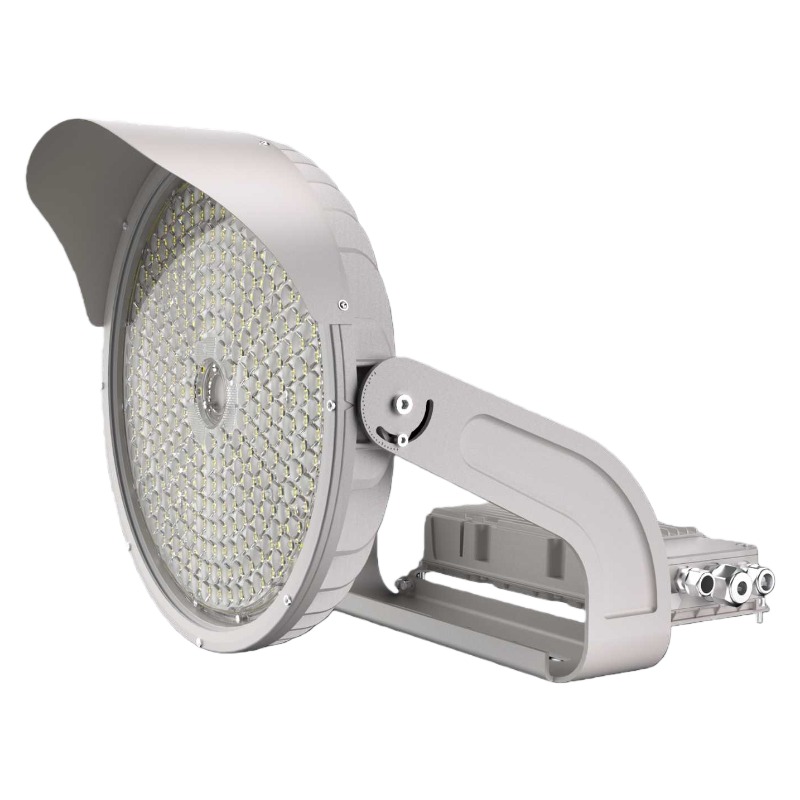
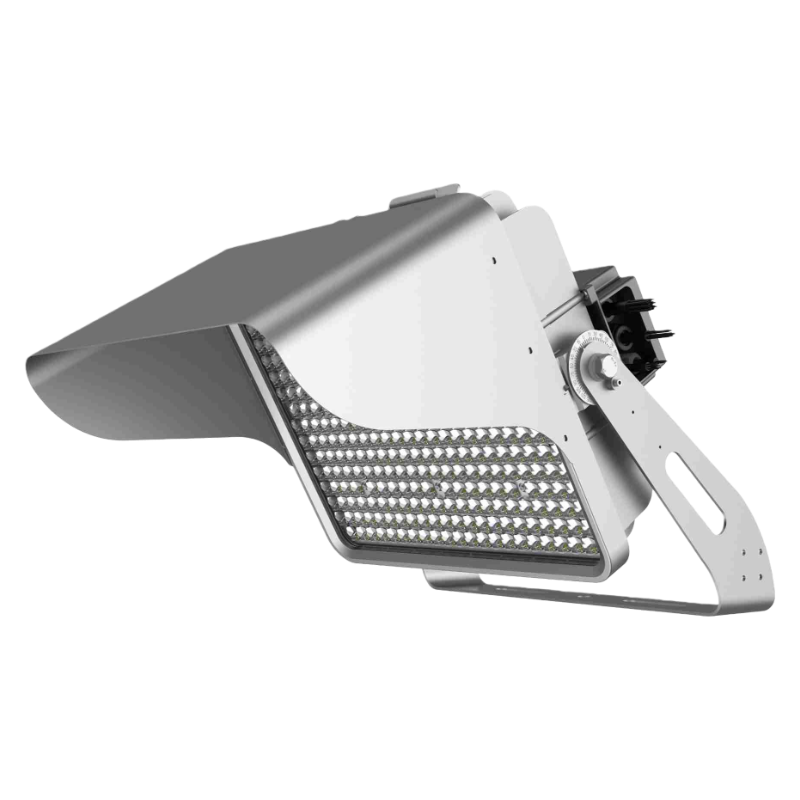
LED street lights have become the mainstream choice for urban and rural lighting infrastructure due to their high energy efficiency, long lifespan, and environmental friendliness. Compared with traditional lighting sources such as sodium lamps and metal halide lamps, LED street lights offer significant advantages in energy conservation, maintenance cost reduction, and light quality. However, with the rapid development of the LED lighting industry, the quality of LED street lights on the market varies greatly. Many low-quality products have frequent quality problems during use, which not only affect the lighting effect and road safety but also increase the maintenance burden of urban management departments.
For urban managers, electrical engineers, procurement personnel, and relevant construction practitioners, understanding the common quality problems of LED street lights, their root causes, and preventive measures is crucial for selecting high-quality products, ensuring the stable operation of lighting systems, and maximizing investment returns. This blog will delve into the common quality problems of LED street lights from multiple angles, analyze the causes of these problems in detail, and provide practical solutions and prevention strategies. By the end, you will have a comprehensive understanding of how to identify and avoid low-quality LED street lights.
1. Common Quality Problems of LED Street Lights & Their Manifestations
LED street lights are used in outdoor environments for a long time, subject to wind, rain, high temperature, low temperature, humidity, dust, and other harsh conditions. This makes their quality problems more diverse and complex. The following are the most common quality problems and their specific manifestations:
1) Premature Lumen Depreciation: Rapid Dimming of Light Output
Lumen depreciation refers to the gradual decrease in the light output of LED street lights over time. While all LEDs will experience lumen depreciation, high-quality LED street lights have a slow depreciation rate, with a L70 rating (the time it takes for lumen output to drop to 70% of the initial value) of 50,000 hours or more. In contrast, low-quality LED street lights often have premature and rapid lumen depreciation.
Specific manifestations: Within 1-2 years of use, the brightness of the LED street light decreases significantly, even by more than 50%; the illuminated area becomes dim, failing to meet the required lux level for road lighting, which affects nighttime driving and pedestrian safety.
2) Short Lifespan: Failure to Reach the Claimed Service Life
One of the core advantages of LED street lights is their long lifespan, with high-quality products claiming a service life of 50,000-100,000 hours. However, many low-quality LED street lights fail to reach this standard, and frequent failures occur within 2-3 years of use.
Specific manifestations: The LED chips burn out, the driver malfunctions, or the entire fixture stops working; the number of faulty lights increases significantly within a short period, requiring frequent replacement and maintenance, which greatly increases the operation and maintenance cost.
3) Poor Waterproof & Dustproof Performance: Internal Water Intake & Dust Accumulation
Outdoor LED street lights must have good waterproof and dustproof performance to cope with rain, snow, fog, and dust. The protection level (IP rating) of qualified LED street lights is usually IP65 or higher. Low-quality products often have defects in waterproof and dustproof design and manufacturing, leading to water intake and dust accumulation.
Specific manifestations: Water droplets or moisture are found inside the lamp housing; dust accumulates on the LED chips and lenses, affecting light transmission; short circuits occur due to water intake, causing the street light to burn out; the metal parts inside the fixture rust, affecting the overall structural stability.
4) Unstable Driver Performance: Frequent Malfunctions of the "Heart" of the Street Light
The LED driver is the core component of the LED street light, responsible for converting AC power to DC power and stabilizing the current and voltage. The quality of the driver directly determines the stability and lifespan of the LED street light. Low-quality drivers have poor stability and are prone to malfunctions.
Specific manifestations: The driver fails to start normally, causing the street light to not turn on; the driver has poor voltage regulation performance, leading to flickering of the street light; the driver is burned out due to overheating or overvoltage; the dimming function (if equipped) is invalid or unstable.
5) Light Flicker: Affecting Visual Comfort & Safety
Light flicker refers to the periodic fluctuation of the light output of LED street lights. Flicker not only affects visual comfort, causing eye fatigue and dizziness, but also affects the clarity of objects, increasing the risk of traffic accidents.
Specific manifestations: The light flickers obviously to the naked eye, especially in low-brightness mode; when taking photos with a mobile phone, there are obvious striped flashes on the screen; long-term exposure to flickering light causes discomfort to pedestrians and drivers.
6) Poor Heat Dissipation: Overheating Leading to Component Damage
LEDs generate heat during operation, and excessive heat will not only accelerate lumen depreciation but also damage the LED chips and driver. High-quality LED street lights are equipped with efficient heat dissipation structures, while low-quality products often have defective heat dissipation designs.
Specific manifestations: The surface temperature of the lamp housing is too high during operation (exceeding 60°C); the LED chips are burned out due to overheating; the driver malfunctions due to high temperature; the street light automatically turns off or dims to protect itself due to overheating.
7) Uneven Light Distribution: Dark Spots & Hotspots in the Illuminated Area
Qualified LED street lights have reasonable optical design, which can realize uniform light distribution, ensuring that the entire road surface has consistent brightness. Low-quality products often have defects in optical design, leading to uneven light distribution.
Specific manifestations: There are obvious dark spots (insufficient brightness) or hotspots (excessively bright) on the road surface; the light coverage range is not up to the standard, with obvious light-dark boundaries; the lighting uniformity does not meet the national road lighting standards, affecting driving safety.
8) Corrosion & Rust of Lamp Housing: Affecting Structural Stability & Aesthetics
The lamp housing of LED street lights is usually made of aluminum alloy or other metal materials. Qualified products undergo anti-corrosion treatment (such as anodizing, powder coating) to resist outdoor corrosion. Low-quality products use inferior materials or simple anti-corrosion treatment, leading to corrosion and rust.
Specific manifestations: The surface of the lamp housing fades, peels, or rusts; the structural strength of the lamp housing decreases, and there is a risk of falling in severe cases; the appearance is unsightly, affecting the urban landscape.
2. Root Causes of Common Quality Problems of LED Street Lights
The occurrence of the above quality problems is not accidental, but is mainly caused by the following factors: inferior raw materials, defective design, immature manufacturing processes, and lack of strict quality control. Let’s analyze them in detail:
1) Use of Inferior Raw Materials
Raw materials are the foundation of product quality. Many manufacturers cut costs by using inferior raw materials, which directly leads to various quality problems:
-
Inferior LED Chips: Using low-grade LED chips with low luminous efficiency, poor thermal stability, and high lumen depreciation rate. These chips are often produced by small manufacturers with backward technology, and their performance cannot be guaranteed.
-
Low-Quality Drivers: Using counterfeit or shoddy drivers with poor power conversion efficiency, unstable output, and lack of overvoltage, overcurrent, and overheating protection functions. These drivers are prone to malfunctions under harsh outdoor conditions.
-
Inferior Lamp Housing Materials: Using recycled aluminum alloy or low-grade metal materials with poor thermal conductivity and corrosion resistance. These materials cannot effectively dissipate heat and are easily corroded by the outdoor environment.
-
Substandard Waterproof Materials: Using low-quality sealing rings, gaskets, and glue with poor water resistance and aging resistance. These materials will harden, crack, or fall off over time, losing their waterproof effect.
2) Defective Product Design
Reasonable product design is the key to ensuring the quality and performance of LED street lights. Many low-quality products have obvious design defects:
-
Unreasonable Heat Dissipation Design: The heat dissipation structure is too simple (such as insufficient heat sink area, poor heat conduction path), which cannot effectively dissipate the heat generated by the LED chips and driver, leading to overheating.
-
Flawed Waterproof Design: The lamp housing structure has gaps or dead angles; the installation position of the waterproof sealing ring is unreasonable; the cable entry is not properly sealed, leading to water intake.
-
Defective Optical Design: The lens or reflector is designed unreasonably, resulting in uneven light distribution, insufficient light coverage, or excessive glare.
-
Poor Structural Design: The lamp housing structure is unstable, and the connection between components is not firm, which is prone to loosening or falling under the action of wind and vibration.
3) Immature Manufacturing Processes
Immature or non-standard manufacturing processes will also lead to quality problems, even if the raw materials and design are qualified:
-
Substandard Assembly Process: The assembly of components is not firm, such as loose connection of LED chips, poor soldering of driver components, and insufficient tightness of waterproof seals. These problems will lead to poor contact, short circuits, or water intake.
-
Improper Surface Treatment Process: The anti-corrosion treatment of the lamp housing (such as anodizing, powder coating) is not up to standard, with uneven coating thickness or poor adhesion, leading to easy corrosion and rust.
-
Lack of Strict Testing Process: The manufacturer does not conduct strict testing on the finished products, such as waterproof testing, heat dissipation testing, lumen maintenance testing, and stability testing. Many unqualified products flow into the market directly.
4) Lack of Strict Quality Control System
Many small and medium-sized LED lighting manufacturers lack a complete quality control system, and the quality of products cannot be effectively guaranteed throughout the entire production process. From the procurement of raw materials to the production, assembly, and testing of finished products, there is no strict quality inspection standard, leading to the circulation of low-quality products in the market.
3. Prevention & Solution Strategies for LED Street Light Quality Problems
To avoid the impact of LED street light quality problems on lighting systems and reduce maintenance costs, we can take targeted preventive measures from the aspects of product selection, installation, and daily maintenance. For existing quality problems, we can also take corresponding solutions:
1. Strict Product Selection: Avoid Low-Quality Products from the Source
Product selection is the most critical link to prevent quality problems. When purchasing LED street lights, we should pay attention to the following points:
-
Choose Reputable Manufacturers: Select manufacturers with strong technical strength, complete production qualifications, and good market reputation. Check the manufacturer’s certificates, such as ISO9001 quality management system certification, CE certification, and national mandatory product certification (3C certification).
-
Pay Attention to Raw Material Quality: Inquire about the brand and model of LED chips and drivers. It is recommended to choose products using high-quality chips (such as Cree, Osram, Samsung) and drivers from well-known brands. Ask the manufacturer to provide relevant test reports on raw materials.
-
Check Product Specifications & Test Reports: Confirm that the product’s protection level (IP rating), lumen output, efficacy, L70 lifespan, and other parameters meet the requirements. Ask the manufacturer to provide test reports from authoritative third-party institutions, such as lumen maintenance test reports, waterproof test reports, and heat dissipation test reports.
-
Sample Testing Before Bulk Purchase: For large-scale procurement, it is necessary to conduct sample testing first. Test the sample’s brightness, light distribution, waterproof performance, heat dissipation performance, and stability to ensure that it meets the actual use requirements.
2. Standard Installation: Avoid Quality Problems Caused by Improper Installation
Improper installation is also one of the reasons for the quality problems of LED street lights. Standard installation can effectively reduce the occurrence of problems:
-
Follow Installation Manuals: Install the LED street lights strictly in accordance with the manufacturer’s installation manual, ensuring that the connection of components is firm, the cable connection is correct, and the waterproof sealing is in place.
-
Pay Attention to Cable Protection: The cable entry of the street light should be properly sealed to avoid water intake; the external cables should be protected from damage, and the connection points should be waterproof and anti-corrosion treated.
-
Ensure Correct Installation Angle: Install the street light at the correct angle to ensure reasonable light distribution and avoid glare and uneven lighting.
-
Check Before Power-On: Before powering on the street light, check whether the circuit is connected correctly, whether the components are loose, and whether there is water or dust inside the lamp housing.
3. Daily Maintenance & Regular Inspection: Timely Discover and Solve Problems
Regular maintenance and inspection can help discover potential quality problems in time and take measures to solve them, extending the service life of LED street lights:
-
Regular Cleaning: Clean the surface of the lamp housing and the lens regularly to remove dust, dirt, and bird droppings, which affect light transmission and heat dissipation.
-
Regular Inspection of Waterproof Performance: Check the sealing rings, gaskets, and cable entries regularly for aging, cracking, or falling off. Replace damaged waterproof materials in time.
-
Monitor Operating Status: Use the street light control system to monitor the operating status of LED street lights in real time, including parameters such as voltage, current, power, and brightness. When abnormal conditions are found, arrange maintenance personnel to check and repair in time.
-
Regular Replacement of Worn Components: For components that are prone to aging, such as drivers and sealing rings, replace them regularly according to the manufacturer’s recommendations to avoid sudden failures.
4. Solutions for Common Quality Problems
For existing quality problems of LED street lights, the following targeted solutions can be taken:
-
Premature Lumen Depreciation: If the lumen depreciation is severe, replace the LED module or the entire fixture with a high-quality one. For slightly dimmed lights, check whether the heat dissipation system is blocked by dust; clean the heat sink to improve heat dissipation efficiency.
-
Driver Malfunction: Replace the faulty driver with a high-quality driver of the same specification. When replacing, ensure that the driver’s voltage, current, and power parameters match the LED module, and pay attention to waterproof sealing.
-
Water Intake & Dust Accumulation: Disassemble the lamp housing, clean the internal water and dust, check the damaged waterproof components, and replace the sealing rings, gaskets, or glue. Reassemble the lamp housing and ensure that the sealing is tight.
-
Light Flicker: Check whether the driver is faulty; if so, replace the driver. If the flicker is caused by unstable power supply, install a voltage stabilizer or surge protector. Check whether the LED chips are loose or poorly soldered; re-solder or replace the LED module if necessary.
-
Uneven Light Distribution: Adjust the installation angle of the street light; if the problem is caused by defective optical design, replace the lens or reflector, or replace the entire fixture with a product with reasonable optical design.
-
Corrosion & Rust of Lamp Housing: Clean the rust on the lamp housing surface, spray anti-corrosion paint for maintenance; if the corrosion is severe, replace the lamp housing or the entire fixture.
4. How to Identify Low-Quality LED Street Lights When Purchasing?
In addition to the above selection strategies, we can also identify low-quality LED street lights through some simple methods during purchasing:
-
Check the Appearance: High-quality LED street lights have a smooth surface, uniform color, and firm connection of components; low-quality products have rough surfaces, uneven paint, and loose connections.
-
Weight Comparison: High-quality LED street lights use thick aluminum alloy lamp housings and heat sinks, which are relatively heavy; low-quality products use thin materials and are lighter in weight.
-
Test the Light Output: Turn on the sample and observe the brightness and light distribution. High-quality products have stable brightness and uniform light distribution; low-quality products have obvious flicker, uneven light distribution, or excessive glare.
-
Inquire About After-Sales Service: Reputable manufacturers provide complete after-sales service, such as a 2-5 year warranty period and professional maintenance support; low-quality product manufacturers often have no after-sales guarantee or only provide a short warranty period.
5. The Impact of Low-Quality LED Street Lights & the Significance of Quality Control
The use of low-quality LED street lights will bring a series of negative impacts:
-
Affect Road Safety: Insufficient brightness, uneven light distribution, and light flicker will reduce the visibility of the road surface, increasing the risk of traffic accidents.
-
Increase Operation & Maintenance Costs: Frequent failures require frequent replacement and maintenance, which increases labor and material costs.
-
Waste Energy: Low-quality LED street lights have low efficacy, consuming more electricity to achieve the same brightness as high-quality products, failing to achieve the expected energy-saving effect.
-
Damage the Urban Landscape: Corroded, rusted, or faulty street lights affect the appearance of the city and reduce the quality of urban life.
Therefore, strengthening the quality control of LED street lights is of great significance. For manufacturers, they should establish a complete quality management system, use high-quality raw materials, optimize product design, and improve manufacturing processes. For procurement and management departments, they should strictly select products, standardize installation, and strengthen daily maintenance. Only in this way can the advantages of LED street lights be fully exerted, and the stable and efficient operation of urban and rural lighting systems be ensured.
Final Thoughts
The common quality problems of LED street lights, such as premature lumen depreciation, short lifespan, poor waterproof performance, and driver malfunctions, are mainly caused by inferior raw materials, defective design, immature manufacturing processes, and lack of strict quality control. To avoid these problems, it is necessary to do a good job in product selection, standardize installation, and strengthen daily maintenance.
When purchasing LED street lights, we should choose reputable manufacturers, pay attention to the quality of raw materials and product test reports, and conduct sample testing. During installation and use, we should follow the operating specifications and conduct regular inspections and maintenance. Only by ensuring the quality of LED street lights can we achieve the goals of energy conservation, emission reduction, and cost reduction, and provide a safe and comfortable lighting environment for urban and rural roads.
If you have more questions about the quality of LED street lights (such as how to test the lumen maintenance of LED street lights, which brand of LED street lights has reliable quality), feel free to leave a comment below!