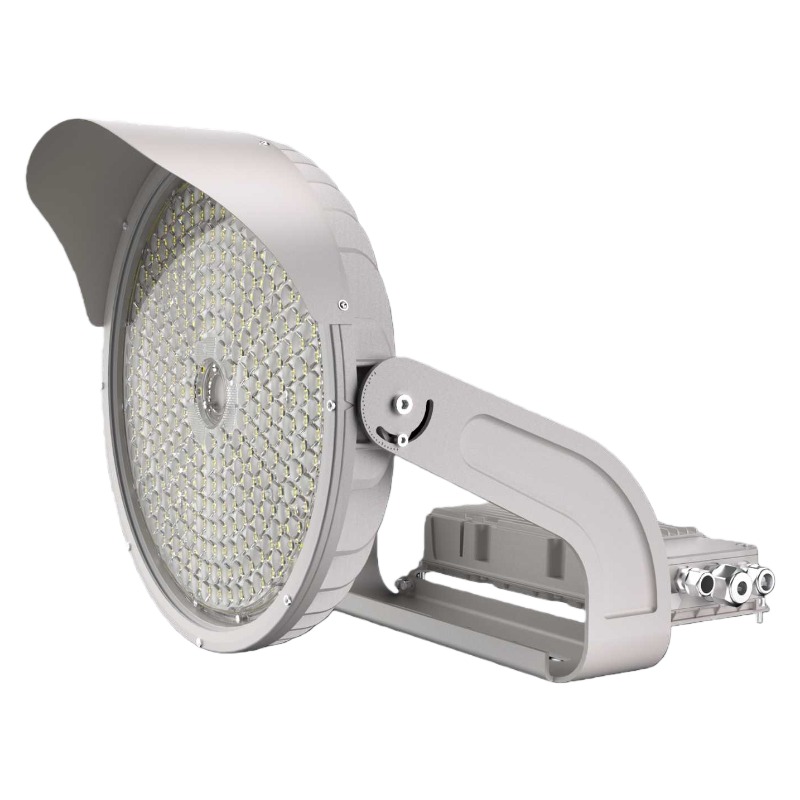
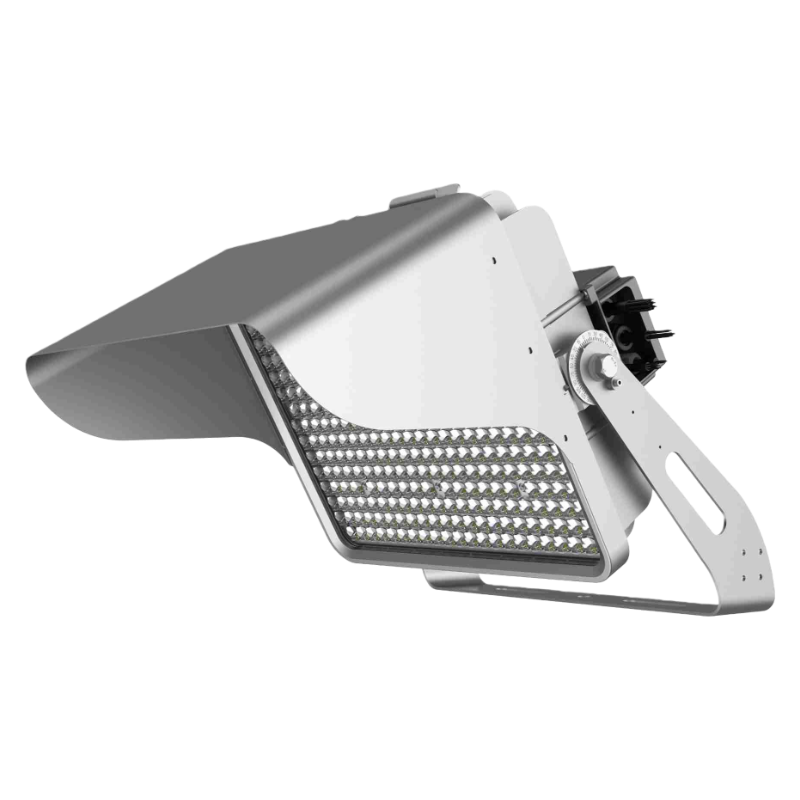
How to Select Wattage, Beam Angle, and Mounting for Linear High Bay Applications
Linear high bay lights are the backbone of lighting for large, high-ceilinged spaces—warehouses, manufacturing plants, distribution centers, and even big-box retail stores. But choosing the right linear high bay isn’t just about picking a fixture off the shelf; three critical factors determine performance: wattage (brightness), beam angle (light distribution), and mounting (installation method). Get these wrong, and you’ll end up with uneven lighting, wasted energy, or costly rework. ZC Lighting, a leader in industrial LED lighting, has engineered linear high bays for diverse applications—but to unlock their full potential, you need to match the fixture to your space’s unique needs. In this guide, we’ll break down how to select wattage, beam angle, and mounting for linear high bay applications, ensuring your ZC Lighting fixtures deliver optimal brightness, efficiency, and functionality.
1. Selecting Wattage: Match Brightness to Space Size and Ceiling Height
Wattage directly correlates to the lumen output (brightness) of your linear high bay—and choosing the right wattage means balancing the size of your space, ceiling height, and desired light level (measured in foot-candles, fc). Too little wattage leads to dim, unsafe conditions; too much wastes energy and creates glare.
Follow these steps to select the right wattage for ZC Lighting linear high bays:
Step 1: Calculate Required Foot-Candles
Different applications demand different light levels. Industrial standards (e.g., IESNA) recommend:
-
Warehouses (general storage): 20-50 fc
-
Manufacturing floors (precision work): 50-100 fc
-
Distribution centers (pick/pack zones): 30-70 fc
-
Retail (high-ceiling showrooms): 40-80 fc
Step 2: Consider Ceiling Height
Light diminishes as it travels downward (inverse square law), so higher ceilings need more powerful fixtures. ZC Lighting’s linear high bays range from 40W to 200W—here’s a quick reference:
-
Low ceilings (15-25 feet): 40W-80W ZC Lighting linear high bays (6,000-14,400 lumens). Ideal for small warehouses or retail backrooms.
-
Medium ceilings (25-40 feet): 80W-120W ZC Lighting linear high bays (14,400-21,600 lumens). Perfect for general manufacturing or mid-sized distribution centers.
-
High ceilings (40+ feet): 120W-200W ZC Lighting linear high bays (21,600-36,000 lumens). Designed for large warehouses or industrial facilities with tall racking.
Step 3: Account for Space Size
A 10,000-square-foot warehouse with 30-foot ceilings requires more total lumens than a 5,000-square-foot space with the same height. Use this formula to estimate total lumens needed: Total Lumens = Square Footage × Required Foot-Candles × 1.2 (buffer for light loss). Then divide by the lumens per ZC Lighting fixture to find the number of units needed. For example, a 10,000 sq. ft. warehouse needing 50 fc would require ~600,000 total lumens—using 120W ZC Lighting fixtures (21,600 lumens each) would need ~28 fixtures.
2. Choosing Beam Angle: Direct Light Where It’s Needed Most
Beam angle refers to the width of light a fixture emits—and it’s just as critical as wattage. The wrong beam angle leads to hotspots (too narrow) or dim corners (too wide). ZC Lighting linear high bays offer beam angles from 60° to 150°, so you can tailor distribution to your space’s layout.
When to Use Narrow Beam Angles (60°-90°)
Narrow beams focus light downward, making them ideal for high ceilings with tall racking (e.g., warehouse shelving that’s 20+ feet tall). They ensure light reaches the lower shelves without wasting energy on illuminating empty air. For example, a 40-foot ceiling with 30-foot racking would benefit from ZC Lighting’s 70° beam angle linear high bays—directing light precisely onto inventory instead of the ceiling or upper walls.
When to Use Wide Beam Angles (120°-150°)
Wide beams spread light evenly across large, open areas, making them perfect for low to medium ceilings with open layouts (e.g., manufacturing floors, retail showrooms, or warehouses with short racking). A 25-foot ceiling in a manufacturing plant with no major obstacles would thrive with ZC Lighting’s 140° beam angle linear high bays—ensuring every corner of the floor is uniformly lit, reducing accidents and improving productivity.
When to Mix Beam Angles
For spaces with mixed layouts (e.g., a warehouse with both tall racking and open packing zones), mix narrow and wide beam angles. Use narrow beams over racking and wide beams over open areas to create a balanced lighting system. ZC Lighting’s modular linear high bays make this easy, as you can select different beam angles for the same fixture series.
3. Picking Mounting: Ensure Stability and Optimal Light Direction
Linear high bay mounting determines how the fixture is installed—and it impacts both performance and safety. ZC Lighting offers three primary mounting options, each suited to different ceiling types and space needs.
1. Chain Mounting
Chain mounting is the most common option for suspended ceilings or open joists. It allows you to adjust the fixture’s height (critical for spaces with uneven ceilings) and angle (to direct light toward specific areas). ZC Lighting linear high bays come with heavy-duty chains and hardware, supporting fixtures up to 200W safely. This mounting is ideal for warehouses with exposed ceilings or manufacturing plants where you may need to reposition lights as production lines change.
2. Surface Mounting
Surface mounting attaches the fixture directly to the ceiling, making it suitable for solid ceilings (concrete, metal, or wood) where suspension isn’t possible. It’s a low-profile option that works well in spaces with low clearance (15-25 feet) or where visual clutter needs to be minimized (e.g., retail showrooms). ZC Lighting’s surface-mount linear high bays feature slim designs that sit flush against the ceiling, maintaining a clean look while delivering powerful illumination.
3. Hook Mounting
Hook mounting is a quick, temporary option for spaces with existing ceiling hooks or beams (e.g., temporary warehouses or event venues). It’s easy to install and remove, making it ideal for flexible spaces. ZC Lighting’s hook-mount linear high bays come with sturdy steel hooks that fit standard ceiling hardware, ensuring stability even in high-traffic industrial environments.
Pro Tips for ZC Lighting Linear High Bay Selection
-
Conduct a Site Survey: Before selecting fixtures, measure ceiling height, space size, and layout. ZC Lighting offers free site surveys to help you map light needs accurately.
-
Use Lighting Simulation Software: ZC Lighting’s lighting design team can create 3D simulations to test wattage, beam angle, and mounting combinations before installation—avoiding costly mistakes.
-
Consider Dimming Needs: If you need to adjust brightness (e.g., for night shifts), choose ZC Lighting’s dimmable linear high bays (0-10V or DALI compatible) regardless of wattage or beam angle.
Conclusion: Trust ZC Lighting for Tailored Linear High Bay Solutions
Selecting wattage, beam angle, and mounting for linear high bay applications doesn’t have to be complicated—when you partner with ZC Lighting. By matching these three factors to your space’s ceiling height, layout, and application, you’ll ensure your linear high bays deliver the right brightness, even distribution, and secure installation.
ZC Lighting’s diverse range of linear high bays—from 40W to 200W, 60° to 150° beam angles, and multiple mounting options—means there’s a perfect fit for every industrial or commercial space. With ZC Lighting’s expertise and support, you can transform your high-ceilinged space into a well-lit, efficient, and safe environment.
Contact ZC Lighting today to speak with a lighting specialist and get personalized recommendations for your linear high bay application. Let us help you select the ideal wattage, beam angle, and mounting to maximize your lighting investment.