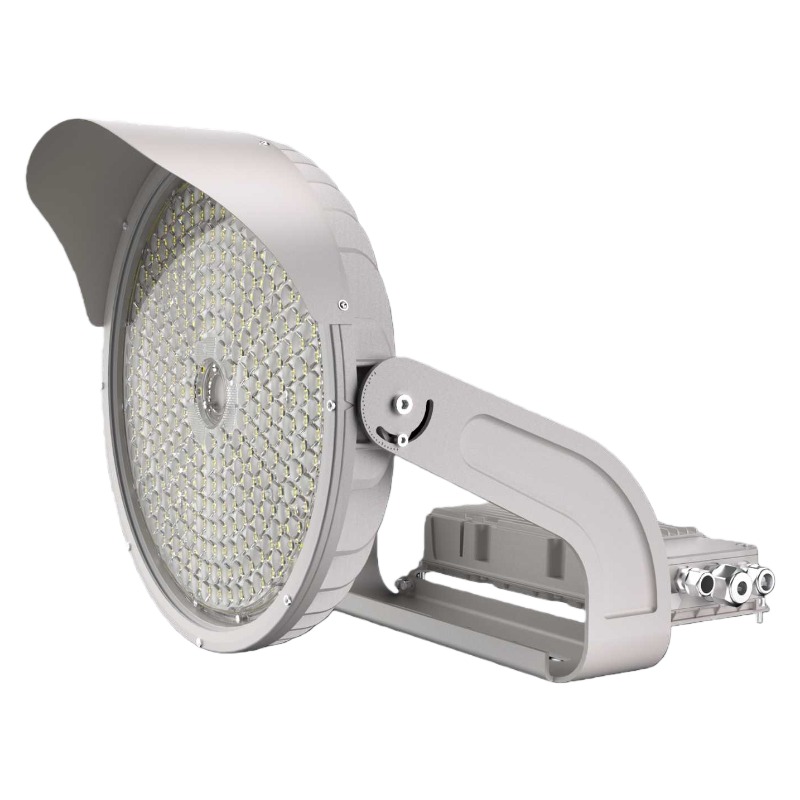
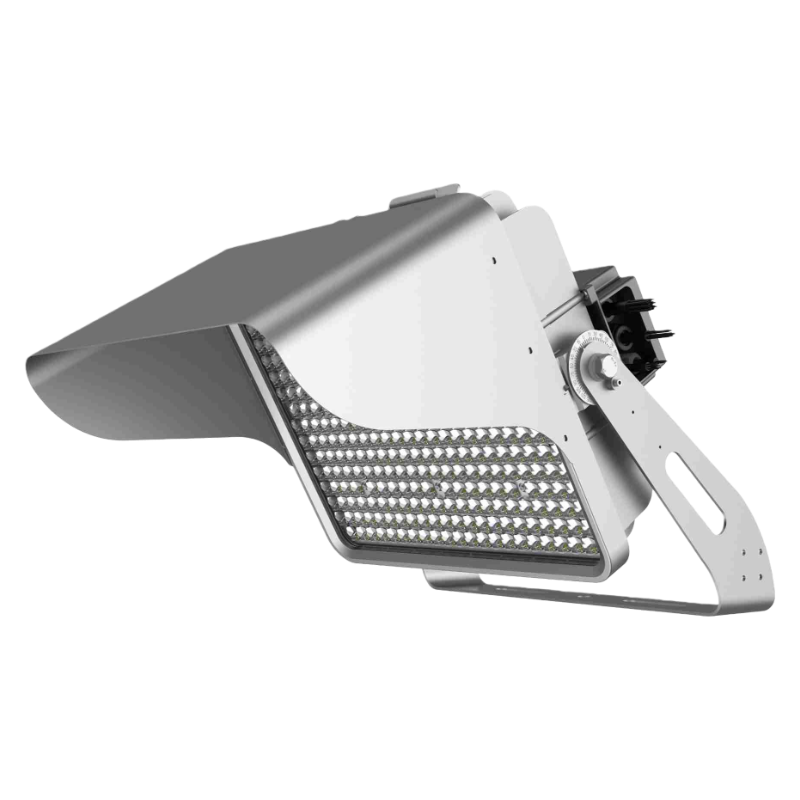
Outdoor spaces—from parking lots and industrial yards to residential backyards—are constantly exposed to harsh elements: rain, snow, humidity, dust, and even salt spray in coastal regions. For property owners and facility managers, a critical question arises: Are LED area lights suitable for wet and outdoor environments? The short answer is yes—when designed and selected correctly. Unlike traditional lighting (incandescent, fluorescent), modern LED area lights are engineered with durability and weather resistance in mind, but their performance in wet conditions hinges on key factors like IP rating, construction materials, and design. In this guide, we’ll break down why LED area lights excel in wet outdoor settings, what to look for when shopping, and how to ensure long-lasting reliability.
Why LED Area Lights Are Naturally Suited for Wet Outdoor Use
LED technology itself has inherent advantages that make it far more resilient in wet environments than traditional lighting options:
- Solid-State Construction: LEDs have no fragile filaments, glass bulbs, or moving parts—reducing the risk of breakage or water intrusion points.
- Low Heat Emission: LEDs produce minimal heat, which prevents condensation buildup inside the fixture (a major cause of water damage in incandescent/fluorescent lights).
- Instant Performance: Unlike fluorescent lights (which dim or fail in cold, damp conditions), LEDs light up at full brightness instantly—even in freezing rain or snow.
- Energy Efficiency: Wet environments don’t impact LED efficiency—they maintain consistent lumens per watt, saving energy compared to traditional lights that waste power on heat.
- Long Lifespan: High-quality LED area lights last 50,000+ hours (5–10 years) in harsh outdoor conditions, reducing the need for frequent replacements in hard-to-reach areas.
But here’s the caveat: Not all LED area lights are created equal. Their ability to withstand wet environments depends entirely on IP Rating (Ingress Protection) and construction quality.
Understanding IP Ratings: The Key to Wet Environment Suitability
IP rating is a two-digit code that defines a fixture’s resistance to solid particles (first digit) and liquids (second digit). For wet outdoor use, the second digit (liquid protection) is non-negotiable—this is what keeps water out of internal components (LED chips, drivers, wiring).
Let’s decode the IP rating system for LED area lights:
|
IP Rating
|
Liquid Protection (Second Digit)
|
Suitability for Wet Environments
|
|
IPX0
|
No protection against liquids
|
Not suitable for outdoor use
|
|
IPX4
|
Protection against splashing water (any direction)
|
Suitable for covered outdoor areas (e.g., porches, awnings)
|
|
IPX5
|
Protection against low-pressure water jets (rain, sprinklers)
|
Ideal for most open outdoor spaces (parking lots, walkways)
|
|
IPX6
|
Protection against high-pressure water jets (heavy rain, hose spray)
|
Suitable for exposed areas with intense water exposure
|
|
IPX7
|
Protection against temporary submersion (up to 1m for 30 minutes)
|
Rare for area lights—used in flood-prone zones
|
|
IPX8
|
Protection against continuous submersion
|
Not typical for area lights (reserved for underwater lighting)
|
For most wet outdoor applications (rain, snow, humidity), the minimum IP rating to choose is IP65. The “6” indicates full protection against dust (critical for industrial or dusty environments), and the “5” ensures defense against low-pressure water jets—perfect for open spaces like parking lots or residential yards. For coastal areas, industrial zones with heavy splashing, or regions with frequent storms, opt for IP66 or higher.
Pro Tip: Look for fixtures labeled “IP65” or “IP66” on the spec sheet—this is the industry standard for outdoor LED area lights. Avoid any fixture without an IP rating, as it’s not designed for wet use.
Additional Features That Enhance Wet Environment Performance
Beyond IP rating, several design and construction features make LED area lights more resilient in wet outdoor settings:
- Sealed Housing: High-quality fixtures use die-cast aluminum or stainless-steel housings with hermetically sealed seams. Rubber gaskets around lenses, wire entry points, and driver compartments prevent water, dust, and insects from entering.
- Corrosion-Resistant Materials: For coastal areas (salt spray) or industrial environments (chemicals, humidity), choose fixtures with powder-coated aluminum or 316 stainless-steel housings. These materials resist rust and corrosion, extending the fixture’s lifespan.
- Weatherproof Drivers: The LED driver (the component that converts AC to DC power) is the most sensitive part of the fixture. Ensure the driver is sealed, IP-rated, and labeled for “Wet Location” use (UL or ETL certified).
- Drainage Design: Some premium LED area lights include strategically placed drainage holes to channel water away from internal components, preventing pooling and condensation.
- UV-Resistant Lenses: Polycarbonate lenses with UV protection won’t yellow or crack over time from sun exposure—maintaining light output and preventing water intrusion through damaged lenses.
Which Wet Outdoor Environments Benefit Most from LED Area Lights?
LED area lights with proper IP ratings and construction excel in nearly all wet outdoor scenarios:
- Parking Lots & Garages: Exposed to rain, snow, road spray, and occasional hose-downs—IP65-rated fixtures provide reliable illumination without water damage.
- Coastal Areas: Salt spray is highly corrosive, but stainless-steel/IP66-rated LED area lights resist rust and water intrusion, making them ideal for beachfront properties, marinas, or coastal industrial sites.
- Industrial Yards & Warehouses: Heavy rain, chemical exposure, and dust—corrosion-resistant, IP66-rated fixtures stand up to frequent moisture and harsh conditions.
- Residential Backyards & Driveways: Rain, snow, and morning dew—IP65 LED area lights deliver safe, glare-free illumination without worrying about water damage.
- Construction Sites: Temporary or permanent lighting for dynamic, wet environments—IP65+ fixtures withstand rain, mud, and heavy use.
- Parks & Recreational Areas: Paths, sports courts, and picnic areas exposed to rain and humidity—wide-beam, IP65 LED area lights provide uniform coverage without glare.
Common Myths About LED Area Lights in Wet Environments
Let’s debunk some misconceptions that might hold you back:
- Myth 1: “LEDs short out in wet conditions.” Reality: LEDs are semiconductor-based and non-conductive—when properly sealed (IP65+), they’re immune to water-related shorts.
- Myth 2: “All LED area lights are waterproof.” Reality: Cheap, low-quality fixtures may have fake or low IP ratings (e.g., IPX4 labeled as IP65). Always verify the IP rating with the manufacturer’s spec sheet.
- Myth 3: “IPX4 is enough for open outdoor use.” Reality: IPX4 only protects against splashes, not heavy rain or direct water exposure. Stick to IP65+ for open spaces.
- Myth 4: “LEDs lose brightness in cold, wet weather.” Reality: LEDs perform better than traditional lights in cold conditions—they don’t dim or require warm-up, even in freezing rain or snow.
How to Choose the Right LED Area Light for Wet Environments
Follow these steps to select a fixture that will thrive in wet outdoor conditions:
- Confirm the IP Rating: Prioritize IP65 (minimum) for open outdoor use; IP66 for harsh conditions (coastal, industrial, heavy rain).
- Check for Wet Location Certifications: Look for UL (Underwriters Laboratories) or ETL certifications labeled “Wet Location”—this ensures the fixture meets safety standards for moisture exposure.
- Evaluate Construction Materials: Opt for die-cast aluminum (budget-friendly) or stainless steel (premium, corrosion-resistant) housings. Avoid plastic housings, which can crack in extreme temperatures or UV exposure.
- Inspect Seals & Gaskets: Ensure the lens, driver compartment, and wire connections have tight, durable rubber or silicone gaskets. Loose or low-quality gaskets are a common entry point for water.
- Consider Environmental Factors:
- Coastal areas: Choose 316 stainless steel or powder-coated aluminum with anti-corrosion treatment.
- Cold climates: Look for fixtures rated for -40°F to 122°F (-40°C to 50°C) operating temperatures (most high-quality LEDs meet this).
- Industrial zones: Select chemical-resistant finishes to withstand exposure to oils, solvents, or cleaning agents.
- Verify Driver Protection: The driver should be sealed and mounted inside the fixture (not external), with its own IP rating matching the housing.
Maintenance Tips to Extend Lifespan in Wet Environments
Even the most durable LED area lights need minimal maintenance to perform well long-term:
- Clean Regularly: Wipe down the fixture with a damp cloth every 6–12 months to remove dust, salt, or debris that can trap moisture and cause corrosion.
- Inspect Seals Annually: Check gaskets and seals for cracks, wear, or loosening—replace if damaged to maintain water resistance.
- Trim Vegetation: Keep plants, vines, or leaves away from the fixture to prevent moisture buildup and blockage of drainage holes.
- Avoid Direct High-Pressure Sprays: While IP66 fixtures resist high-pressure water, avoid intentionally spraying them with hoses (e.g., during cleaning) to prolong seal life.
- Check Wiring Connections: Ensure all wire connections are sealed with waterproof wire nuts or heat-shrink tubing—loose or exposed wires are a water intrusion risk.
Final Thoughts
LED area lights are not just suitable for wet and outdoor environments—they’re the most reliable, efficient, and long-lasting choice. The key is to prioritize IP rating (IP65+), quality construction (sealed housings, corrosion-resistant materials), and wet location certifications. By selecting the right fixture, you’ll get bright, uniform lighting that withstands rain, snow, humidity, and salt spray—all while slashing energy costs and reducing maintenance.
Whether you’re illuminating a commercial parking lot, residential backyard, or industrial yard, LED area lights offer the perfect blend of weather resistance and functionality. Just remember: Don’t cut corners on quality—invest in a fixture with the right IP rating and materials, and it will serve you well for decades. If you’re unsure about your specific needs, consult a lighting professional to match the fixture to your environment!