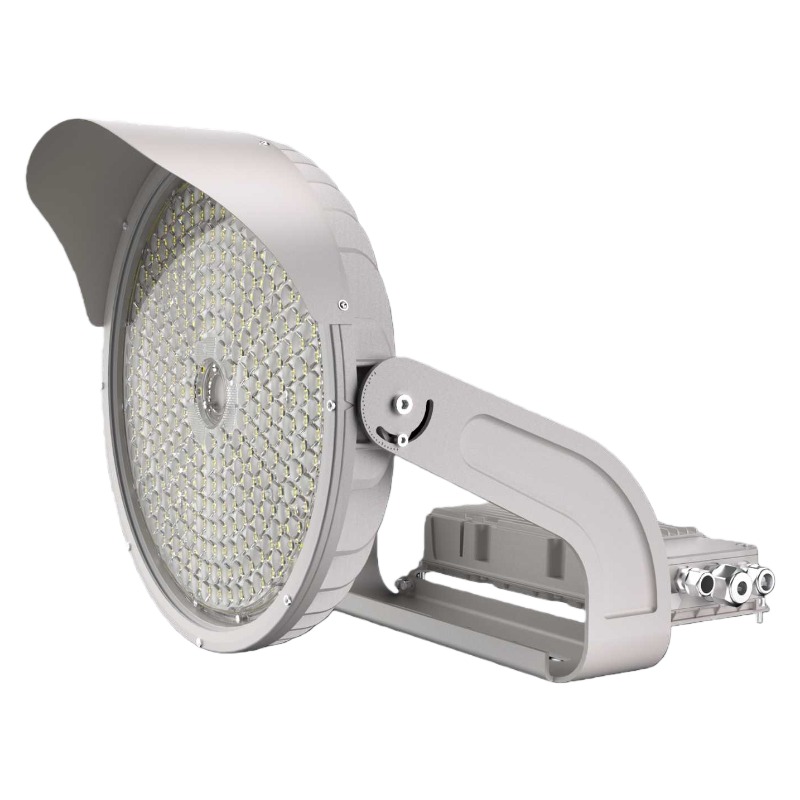
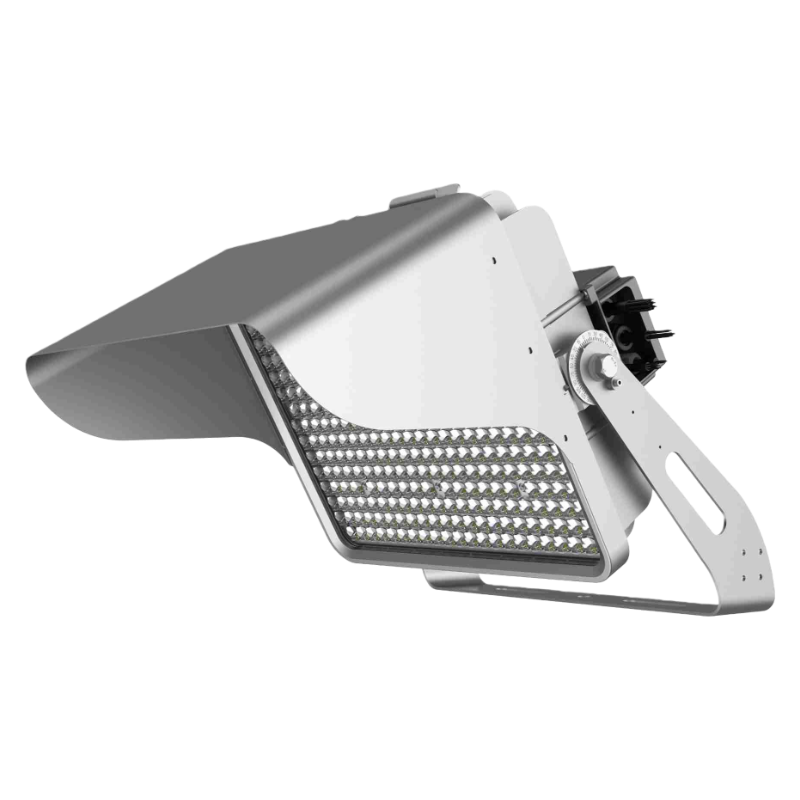
For commercial property owners, facility managers, and contractors, compliance with lighting standards isn’t just a legal obligation—it’s a pathway to energy savings, rebates, and reduced liability. Two critical benchmarks for LED wall pack lights are DLC (DesignLights Consortium) certification and national/local energy codes (e.g., IECC, ASHRAE, state-specific mandates). Failing to meet these standards can result in fines, revoked rebates, or even project delays. Conversely, compliant LED wall packs deliver lower energy costs, longer lifespans, and access to lucrative incentives.
In this comprehensive guide, we’ll break down how to meet DLC requirements and energy codes with LED wall pack lights, covering certification criteria, code-specific requirements, compliance strategies, and rebate opportunities. Whether you’re retrofitting an existing building or designing a new project, this article will help you navigate the complex landscape of lighting regulations—while optimizing your search visibility for queries like “DLC compliant LED wall packs,” “LED wall pack energy code compliance,” “meet IECC with LED wall packs,” and “DLC qualified LED wall lights.”
Why DLC Certification & Energy Code Compliance Matter
Before diving into the details, let’s clarify why these standards are non-negotiable for LED wall pack projects:
-
Avoid Fines: Non-compliant lighting can result in penalties ranging from
500 per fixture (e.g., California’s Title 24, New York’s NYSERDA enforcement). For a 100-fixture commercial project, this could add up to $50,000 in fines.
-
Access Rebates: DLC certification is a prerequisite for 90% of utility rebates (up to
3,000–$15,000 in incentives.
- Energy Savings: DLC-certified LED wall packs have minimum efficacy requirements (≥100 lumens/W), ensuring 50–70% energy savings compared to non-compliant fixtures.
- Project Approval: Most commercial/industrial projects require compliance with IECC or local codes to pass inspections and obtain permits.
- Market Credibility: Compliant lighting signals sustainability and quality to tenants, customers, and regulatory bodies.
Part 1: Understanding DLC Certification for LED Wall Pack Lights
DLC is a non-profit organization that sets performance standards for commercial LED lighting. DLC certification is voluntary but critical for rebates and compliance. Here’s what you need to know:
Key DLC Certification Criteria for LED Wall Packs
To earn DLC certification (currently DLC 5.1, the latest standard), LED wall packs must meet these core requirements:
- Luminous Efficacy: Minimum 100 lumens per watt (lm/W) for most applications; some high-output models require ≥110 lm/W. This ensures energy efficiency beyond basic LED standards.
- Power Factor (PF): ≥0.9 for fixtures ≥25W; ≥0.85 for fixtures Low PF causes utility penalties, so this requirement avoids hidden costs.
- Lifespan & Lumen Maintenance: Minimum L70 lifespan of 50,000 hours (50% lumen maintenance at 50k hours) or L90 lifespan of 36,000 hours. Ensures long-term performance.
- Color Rendering Index (CRI): ≥70 for most applications; ≥80 for indoor/outdoor task areas (e.g., parking lots, entryways). Improves visibility and safety.
- Dimming Compatibility: For fixtures ≥25W, compatibility with 0–10V or DALI dimming (required for DLC Premium certification). Enables energy-saving control strategies.
- Thermal Management: Compliance with DLC’s thermal testing standards to prevent overheating and lumen degradation.
- Labeling & Documentation: Clear marking of DLC certification, model number, and performance data (lumens, wattage, efficacy).
DLC Standard Levels: Standard vs. Premium
DLC offers two certification levels for LED wall packs—choose based on your project goals:
|
DLC Level
|
Key Requirements
|
Benefits
|
|
DLC Standard
|
Meets basic efficacy (≥100 lm/W), PF, and lifespan requirements.
|
Qualifies for most utility rebates; cost-effective for general applications.
|
|
DLC Premium
|
Higher efficacy (≥120 lm/W), advanced dimming, and lower power consumption.
|
Eligible for enhanced rebates (20–50% higher than Standard); ideal for LEED projects or high-efficiency goals.
|
Pro Tip: Verify certification status via the DLC Qualified Products List (QPL)—search by fixture type, wattage, or manufacturer. Avoid “DLC-compliant” claims without QPL verification.
Part 2: Navigating Energy Codes for LED Wall Pack Lights
Energy codes set minimum efficiency standards for lighting systems. The most widely adopted codes include:
- IECC (International Energy Conservation Code): 2021 and 2024 editions (adopted by 48 states)
- ASHRAE 90.1: National standard for commercial buildings
- State-Specific Codes: California Title 24, New York NYSERDA, Texas TEC, etc.
Core Energy Code Requirements for LED Wall Packs
While codes vary by location, these key requirements apply to most projects:
- Minimum Efficacy: IECC 2024 requires ≥100 lm/W for outdoor LED lighting (aligns with DLC Standard). California Title 24 mandates ≥110 lm/W for commercial outdoor fixtures.
- Control Requirements:
- Dusk-to-dawn photocells (automatic on/off based on ambient light) for all outdoor wall packs.
- Motion sensors or dimming controls for low-traffic areas (e.g., remote parking lot perimeters) to reduce energy use by 30%+.
- Smart control integration (e.g., IoT-enabled systems) for large commercial projects (ASHRAE 90.1-2019).
- Light Trespass Limits: Most codes restrict light emission to 50 lux at property lines (IECC 2021) to avoid disturbing neighbors. Requires shielded or full-cutoff LED wall packs.
- Dark Sky Compliance: For areas near national parks or residential zones, codes prohibit upward light (≤5% upward luminous flux). Full-cutoff LED wall packs (DLC-certified) meet this requirement.
- Labeling: Fixtures must display efficacy (lm/W), wattage, and compliance with applicable codes (e.g., “IECC 2024 Compliant”).
Code Compliance by Project Type
- Commercial Buildings (Office, Retail): Must meet IECC/ASHRAE 90.1 + local codes. Require DLC-certified fixtures with photocells and dimming.
- Industrial Facilities (Warehouses, Factories): IECC 2024 + OSHA safety standards. Need high-efficacy (≥120 lm/W) DLC Premium fixtures with motion sensors.
- Residential Complexes: IECC + state residential codes. DLC Standard fixtures (30–60W) with photocells suffice for most applications.
- Municipal Projects (Parking Garages, Public Buildings): Often require DLC Premium + additional sustainability criteria (e.g., LEED points).
Part 3: Step-by-Step Guide to Meet DLC & Energy Codes
Follow this actionable process to ensure compliance and maximize benefits:
Step 1: Research Local Codes & Rebate Requirements
- Identify Applicable Codes: Check your state/city’s adopted code edition (e.g., IECC 2021 vs. 2024) via your local building department.
- Review Rebate Programs: Contact your utility (e.g., PG&E, Con Edison) to confirm DLC level requirements (Standard vs. Premium) and rebate amounts.
- Document Requirements: Create a checklist of efficacy, control, and labeling mandates to avoid gaps.
Step 2: Select DLC-Certified LED Wall Packs
- Filter by DLC QPL: Use the DLC QPL to shortlist fixtures that meet your project’s wattage (30–120W) and code requirements.
- Prioritize Key Features:
- Efficacy: ≥100 lm/W (IECC) or ≥120 lm/W (DLC Premium/Title 24).
- Controls: Photocell compatibility, 0–10V dimming, and motion sensor integration.
- Shielding: Full-cutoff design to meet light trespass and dark sky standards.
- Weather Resistance: IP65+ rating (required for outdoor compliance in most codes).
- Verify Documentation: Request DLC certification letters, efficacy test reports, and code compliance statements from the manufacturer.
Step 3: Design a Code-Compliant Lighting System
- Control Integration:
- Install dusk-to-dawn photocells for all outdoor wall packs (non-negotiable for IECC/ASHRAE).
- Add motion sensors for areas with low traffic (e.g., fence lines, back entrances) to meet energy reduction targets.
- For large projects, use DALI or IoT controls to enable scheduling and remote monitoring.
- Layout Optimization:
- Space fixtures to avoid overlighting (complies with light trespass limits) and ensure uniform coverage.
- Use full-cutoff fixtures tilted 15–30° downward to prevent upward light.
- Labeling & Documentation:
- Ensure fixtures are labeled with DLC certification, efficacy, and code compliance.
- Maintain records of certification letters, rebate applications, and installation diagrams for inspections.
Step 4: Pass Inspections & Claim Rebates
- Pre-Inspection Check: Verify all fixtures meet DLC and code requirements (efficacy, controls, shielding) before the building inspection.
- Submit Rebate Applications: Use DLC certification and energy savings data to apply for utility rebates (most utilities require QPL verification and installation photos).
- Maintain Compliance: Retain documentation for 3–5 years (required for rebate audits and code compliance reviews).
Part 4: Real-World Compliance Case Study
A 50-fixture commercial parking lot project in California (Title 24 compliant) upgraded from non-certified LED wall packs to DLC Premium models:
-
Old System: 50x 80W non-DLC LED wall packs (85 lm/W) – non-compliant with Title 24 (requires ≥110 lm/W). Risk of
12,500 total). No rebate eligibility.
- New System: 50x 60W DLC Premium LED wall packs (125 lm/W) – meets Title 24, IECC 2024, and DLC Premium requirements. Features photocells, motion sensors, and full-cutoff design.
- Results:
- Avoided $12,500 in fines.
-
Qualified for
1,000 total) from PG&E.
- Reduced energy use by 35% (60W vs. 80W) – annual savings of $1,200.
- Passed building inspection on the first attempt.
- Improved light quality (CRI 85) and reduced light trespass (30 lux at property line, below Title 24’s 50 lux limit).
Common Compliance Mistakes to Avoid
- Confusing “DLC-Compliant” with “DLC-Certified”: Only fixtures listed on the DLC QPL are truly certified. Avoid unlisted fixtures—they won’t qualify for rebates or meet code.
- Ignoring Control Requirements: Skipping photocells or motion sensors leads to code violations. Even DLC-certified fixtures need proper controls to comply.
- Underestimating Local Codes: State/city codes often exceed IECC standards (e.g., Title 24’s 110 lm/W requirement). Always check local mandates.
- Overlooking Labeling: Missing or incorrect labeling can cause inspection failures. Ensure fixtures display all required compliance information.
- Choosing the Wrong DLC Level: Opting for DLC Standard when rebates require Premium leaves money on the table. Confirm rebate requirements upfront.
Maximizing Rebates with DLC-Certified LED Wall Packs
DLC certification unlocks significant financial incentives. Here’s how to maximize rebates:
-
Choose DLC Premium: Eligible for higher rebates (e.g.,
15/fixture for Standard).
- Bundle with Controls: Some utilities offer bonus rebates for fixtures paired with motion sensors or smart controls.
- Leverage State Incentives: Combine utility rebates with state programs (e.g., California’s SGIP, New York’s NYSERDA) for stacked savings.
- Document Energy Savings: Use DLC’s energy savings calculator to quantify reductions—this strengthens rebate applications.
Final Thoughts
Meeting DLC certification and energy codes with LED wall pack lights is a strategic investment that avoids fines, unlocks rebates, and delivers long-term energy savings. By following the steps in this guide—researching local requirements, selecting DLC-certified fixtures, integrating compliant controls, and documenting everything—you’ll ensure a smooth, cost-effective project.
Key takeaways for compliance success:
- Always verify DLC certification via the QPL (avoid unlisted fixtures).
- Align fixture efficacy with local codes (≥100 lm/W for IECC, ≥110 lm/W for Title 24).
- Integrate mandatory controls (photocells, motion sensors) to meet code requirements.
- Document everything—certification letters, rebate applications, and installation records.
If you need help selecting DLC-certified LED wall packs, navigating local energy codes, or calculating rebate eligibility, leave a comment below or contact our compliance experts for a free consultation!